“I’ve know Paul for years and definitely trust him in the health advisor dept! Working with small business owners he has been a great partner with explain options and provide solutions!”
Sandra D.
Facebook recommendation
Facebook recommendation


For Florida glasses and contact wearers · Licensed in 20 U.S. states
A yearly eye exam and a new pair of glasses can add up, and many adult health plans don't pay for either. Every Marketplace plan includes vision care for children, but only some include it for adults, and HealthCare.gov doesn't sell stand-alone vision plans at all. That leaves a vision policy from an insurer, often bundled with dental.
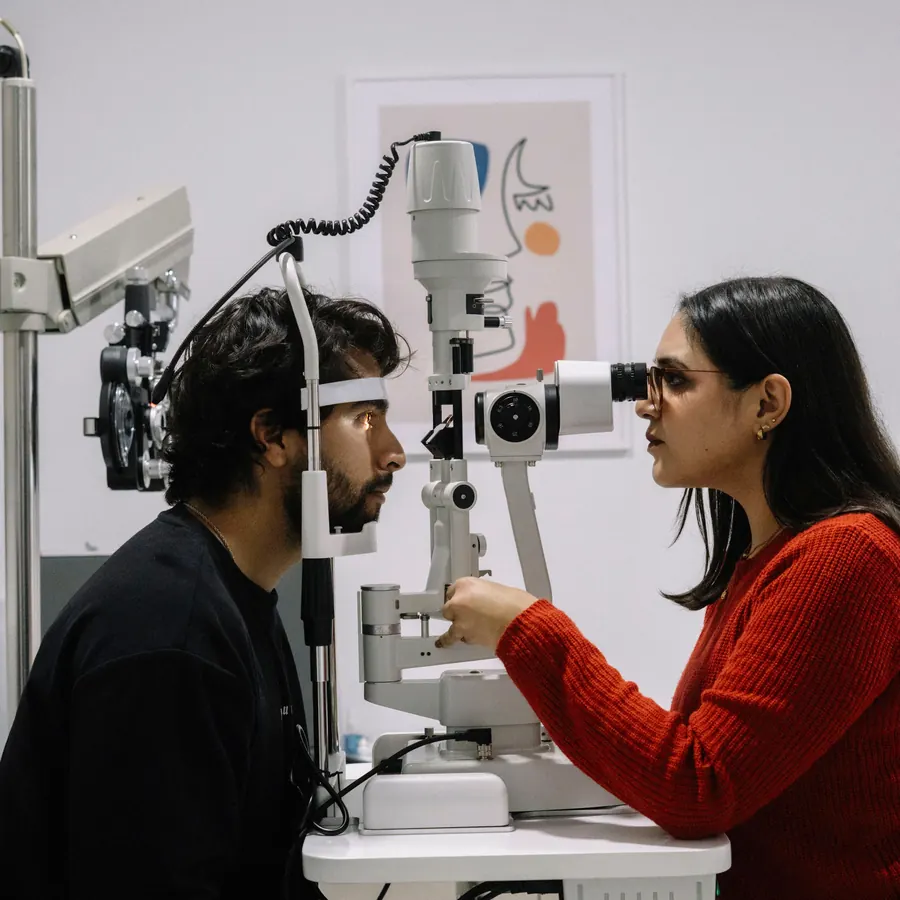
Photo: Pexels photo 5201987 by Kaboompics.com, used under the Pexels License. Cropped, resized, and converted to WebP. Modified from the original.
What a vision plan is for
Plans differ, but a vision policy is built around routine eye care:
Routine exams for adults aren't an essential health benefit, so a medical plan may not pay for one. A vision plan usually helps pay for one, often with a set copay at an in-network eye doctor.
Many vision plans give an allowance toward frames, lenses, or contacts, and you pay any amount above it. Check how often the plan renews that allowance and whether it covers both glasses and contacts in the same year.
Vision plans use networks of optometrists, ophthalmologists, and optical stores. Out of network, a plan may pay less or nothing, so search your eye doctor before you buy.
Children and adults
These points follow HealthCare.gov's vision coverage glossary and the federal rule at 45 CFR 156.115, read October 28, 2026.
Vision rules in numbers
Stand-alone vision plans for sale on HealthCare.gov. You buy those from an insurer or a broker.
Pediatric vision on a plan with essential health benefits runs at least through the end of the month a child turns 19.
How often Florida law says a health insurer's online vision provider directory must be updated.
Sources: HealthCare.gov, Vision coverage; 45 CFR 156.115; Florida Statutes s. 627.6474 (read October 28, 2026).

Working with Paul
Daniels Health Advisors is the independent brokerage Paul Daniels founded, licensed in 20 U.S. states. For vision, we look at how you actually use eye care: how often you get an exam, whether you wear glasses, contacts, or both, and which eye doctor you see. Then we compare vision-only and dental-and-vision policies on their copays, allowances, and networks, alongside whatever your health plan already covers.
Bring your eye doctor's name, your last prescription date, and whether you want dental coverage in the same policy.
Your first call
Exams, glasses or contacts, and the eye doctor you like.
Vision-only plans, dental-and-vision bundles, and what your health plan already includes.
Copays, frame and lens allowances, and how often they renew.
Recommended on Facebook
“I’ve know Paul for years and definitely trust him in the health advisor dept! Working with small business owners he has been a great partner with explain options and provide solutions!”
“Paul was very helpful in my search for business group insurance. He was able to explain my options and answer all the questions I had before signing up. Highly recommend working with him!”
Before the next exam
Before buying a vision policy, check what your health plan pays for. Your children may already have eye coverage through it. A vision plan is built around the routine exam and eyewear, so if you have an eye injury or an eye disease, ask how your health plan handles that visit too. Florida law bars a health insurer from limiting your optometrist, ophthalmologist, or optician to certain material suppliers or labs, though the plan can still pay different amounts for different suppliers. After the call you will have:
A checklist for
Vision questions
For children on a Marketplace plan, yes: all of those plans include vision coverage for kids. For adults, only some health plans do, and routine adult eye exams aren't an essential health benefit. A separate vision plan is one way adults can get the yearly exam covered.
Not by itself. The Marketplace doesn't offer stand-alone vision plans. HealthCare.gov points people to an insurance agent or broker, an online search, or the state Department of Insurance.
Many vision plans give an allowance toward frames and lenses or contact lenses, and you pay what's over it. The amount and how often it renews vary, so compare them.
It depends on how you use eye care. If you get an exam every year and buy glasses or contacts often, the copays and allowance can outweigh the premium. If you rarely need either, paying out of pocket may cost less. We can run the numbers with you.
Yes. Many insurers sell them as a bundle. Our page on dental insurance in Florida covers the dental side, including how Marketplace dental plans work.
A vision plan bought directly from an insurance company, outside the Marketplace, can often be bought any time of year. Each company sets its own rules, start dates, and waiting periods. HealthCare.gov does not sell stand-alone vision plans, so no Marketplace window applies to one. If you want a Marketplace health plan that includes adult vision, the usual open enrollment and special enrollment rules apply. As of October 28, 2026, under current law, open enrollment for 2027 plans on HealthCare.gov runs from November 1, 2026, to January 15, 2027. To start coverage January 1, pick a plan by December 15. States that run their own Marketplace may set different dates, so check with your state's Marketplace. A federal appeal about these rules is pending (City of Columbus v. Kennedy, 4th Cir. No. 26-1938), with oral argument set for October 30, 2026, so confirm the dates before you enroll.
Book a 15-minute call to compare vision coverage, or see quotes online.
Daniels Health Advisors LLC is an independent brokerage, not a carrier, HealthCare.gov, or CMS. Agent: Paul Daniels, NPN 20986580, Florida license G065122. This page explains vision coverage in general. Exam copays, allowances, and networks vary by plan, so read the plan documents. The figures above are rules, not prices. Tax credits, plans, networks, and prices depend on your state, zip code, income, and household. We never guarantee approval, a doctor, or a price. Not medical, legal, or tax advice.