“I’ve know Paul for years and definitely trust him in the health advisor dept! Working with small business owners he has been a great partner with explain options and provide solutions!”
Sandra D.
Facebook recommendation
Facebook recommendation


For anyone thinking about injury coverage · Licensed in 20 U.S. states
Accident insurance is a supplemental policy that pays you set amounts after an injury from an accident, such as a broken arm, a trip to the emergency room, or a hospital stay. It doesn't cover illness, and it doesn't take the place of a health plan that pays your medical bills. Think of it as cash for the costs that come with an injury. Here's how it works and what to check before you buy.
Photo: Pexels photo 4067795 by Oliver King, used under the Pexels License. Cropped, resized, and converted to WebP. Modified from the original.
How it pays
Federal rules, Florida regulators, and an industry overview given to the NAIC describe it this way:
An accident-only policy pays a benefit after an accident causes injuries that need hospital care or treatment, according to an insurance industry overview presented to the NAIC. Policies list the events they pay for. Illness isn't covered.
That overview says benefits are paid as a lump sum or as a fixed dollar amount for each covered service, and usually go straight to the policyholder, who decides how to use them. That could mean a deductible, missed shifts, or rides to physical therapy. Terms vary by policy.
Federal rules list accident-only coverage, including accidental death and dismemberment, as an excepted benefit. It isn't minimum essential coverage, so it can't stand in for a major medical plan. Florida's Department of Financial Services says accident policies cover death, disability, hospital, and medical care that result from an accident.

Health plan vs. accident policy
These points summarize 45 CFR 148.220, the Florida Department of Financial Services health insurance guide, and the Model 171 supplemental benefits overview presented to the NAIC, read November 3, 2026. Accident policies differ, so read the one you are offered.
The numbers
Accident-only policies and group certificates counted in an April 2021 survey of ACLI member insurers, shared with the NAIC.
Share of supplemental policies, including accident coverage, made available through employers, per that same overview.
The limit for medical and disability benefits under the personal injury protection Florida auto policies must include. An accident policy is separate.
Figures from the Model 171 supplemental benefits overview presented to the NAIC and Florida Statutes section 627.736. Excepted-benefit and minimum essential coverage rules from 45 CFR 148.220 and 26 U.S.C. 5000A(f)(3). Read November 3, 2026.
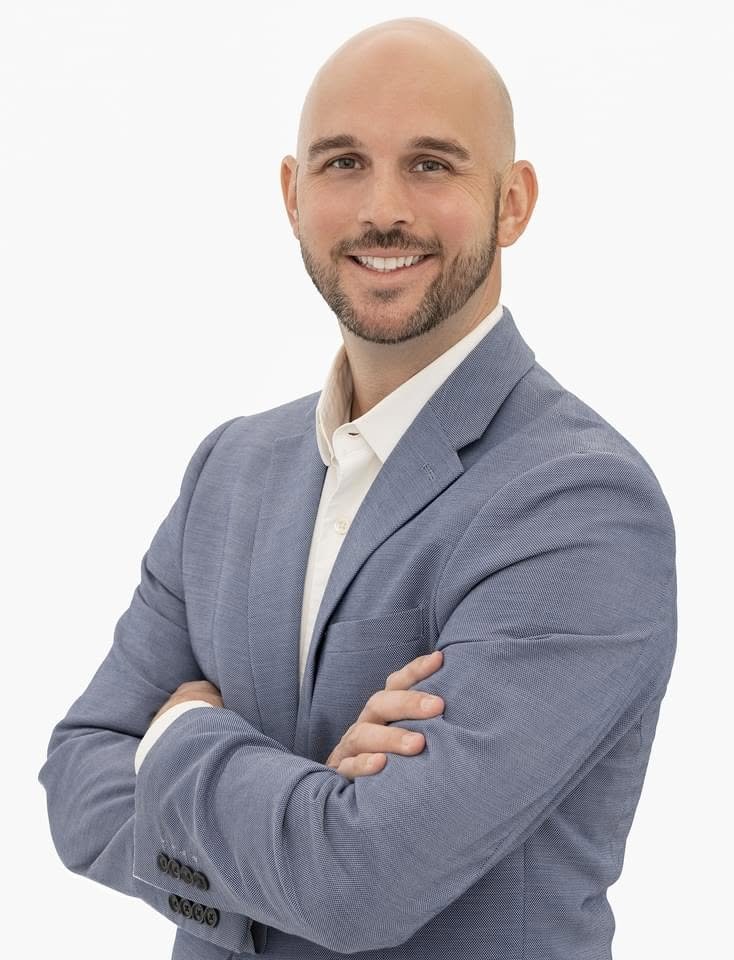
Working with Paul
Daniels Health Advisors is the independent brokerage Paul Daniels founded, licensed in 20 U.S. states. We begin with the plan that pays your medical bills, whether that's a Marketplace plan or private PPO options, and look at what an injury would cost you under it. If an ER visit and a few follow-ups would use up your deductible, we talk through whether an accident policy is worth its premium, or whether a plan with a lower deductible would do more for you. Some private plans ask health questions, and approval is not guaranteed. Some may not cover care for health problems you had before you enrolled.
Have your plan's deductible, emergency room cost, and out-of-pocket limit handy. If you work for yourself, think about how many workdays an injury could cost you.
Your first call
Deductible, ER cost, and out-of-pocket limit.
What a fracture or ER trip could cost you.
An accident policy, a different plan, or neither.
Recommended on Facebook
“I’ve know Paul for years and definitely trust him in the health advisor dept! Working with small business owners he has been a great partner with explain options and provide solutions!”
“Paul was very helpful in my search for business group insurance. He was able to explain my options and answer all the questions I had before signing up. Highly recommend working with him!”
Before you buy
Every accident policy has a list of covered events and an amount for each one. For example, a schedule might pay one amount for an urgent care visit and a larger one for a fracture that needs surgery. Look at what triggers a payment, what the policy excludes, and how claims work. Florida's Department of Financial Services suggests telling your insurer in writing within 20 days of an accident, and says to file the claim within 90 days or by the policy's deadline, whichever is later. After the call you will have:
A checklist for
Accident insurance questions
It pays set benefits after injuries from a covered accident. The Florida Department of Financial Services says these policies cover death, disability, hospital, and medical care resulting from an accident. Each policy lists the events it pays for and the amount for each one. It does not cover illness.
It depends on your health plan's deductible and out-of-pocket limit, your savings, how active you are, and the premium. It can help if an injury would leave you short on bills. It is never a substitute for a major medical plan, because it pays fixed amounts instead of covering your medical bills.
Health insurance pays its share of your medical bills for both illness and injury, and Marketplace plans must cover essential health benefits. Accident insurance pays you fixed amounts only after an accident. Federal rules treat accident-only coverage as an excepted benefit, and it isn't minimum essential coverage.
Accident insurance pays after an injury from an accident. Hospital indemnity pays a fixed amount for a covered hospital stay or service. Critical illness pays when you're diagnosed with an illness the policy lists. If you're looking at more than one, check how they overlap before you buy.
Often not as a medical expense. IRS Publication 502 lists premiums you can't include, such as policies for loss of life, limb, or sight, and policies that pay a guaranteed amount each week while you're in the hospital. Many accident policies pay those kinds of benefits, so ask a tax professional about yours.
Not for every plan. A private plan (not from the Marketplace) can often be bought any time of year. Some private plans ask health questions, and approval is not guaranteed. Some may not cover care for health problems you had before you enrolled. Marketplace plans, and other plans that follow ACA rules, work differently. As of November 3, 2026, under current law, open enrollment for 2027 plans on HealthCare.gov runs from November 1, 2026, to January 15, 2027. To start coverage January 1, pick a plan by December 15. States that run their own Marketplace may set different dates, so check with your state's Marketplace. A federal appeal about these rules is pending (City of Columbus v. Kennedy, 4th Cir. No. 26-1938; argued October 30, 2026, with no ruling as of November 3, 2026), so confirm the dates before you enroll. Outside open enrollment, you need a special enrollment period, such as one after losing job-based coverage.
Book a 15-minute call to see whether an accident policy fits next to your health plan, or see quotes online.
Daniels Health Advisors LLC is an independent brokerage, not a carrier, HealthCare.gov, or CMS. Agent: Paul Daniels, NPN 20986580, Florida license G065122. This page explains accident insurance in general, as of November 3, 2026. It is not a policy or an offer of coverage. Each policy sets its own covered events, benefit amounts, exclusions, and claim rules, so read the policy before you buy. Accident-only coverage is supplemental. It does not replace a major medical plan and is not minimum essential coverage. The policy counts come from an ACLI member survey presented to the NAIC, and the PIP limit comes from Fla. Stat. 627.736. Tax credits, plans, networks, and prices depend on your state, zip code, income, and household. We never guarantee approval, a doctor, or a price. Not medical, legal, or tax advice.