“I’ve know Paul for years and definitely trust him in the health advisor dept! Working with small business owners he has been a great partner with explain options and provide solutions!”
Sandra D.
Facebook recommendation
Facebook recommendation

For small nonprofits and their staff · Licensed in 20 U.S. states
Small nonprofits want to look after their people on a tight budget. Federal rules give tax-exempt employers a few specific options, including a tax credit that is claimed differently than it is for businesses. Here is how the choices line up for the organization and for staff who buy their own coverage.
Photo: Pexels photo 6995106 by Julia M Cameron, used under the Pexels License. Cropped, resized, and converted to WebP. Modified from the original.
Where to start
There is no special nonprofit health plan. Most small organizations choose one of these paths:
HealthCare.gov's Small Business Health Options Program is open to a business or nonprofit organization that generally has 1 to 50 employees. You choose the plans, how much you pay toward premiums, and whether to cover dependents. You can start offering it any time of year.
Instead of a group plan, an employer can repay workers, tax-free, for premiums and other qualified costs on plans they buy themselves. A QSEHRA is for employers with fewer than 50 full-time employees that don't offer a group plan. An individual coverage HRA, which HealthCare.gov now calls a CHOICE Arrangement, works for employers of any size.
If you don't offer coverage, employees can shop Marketplace or private plans on their own. Without an affordable job-based offer, they may qualify for a tax credit based on household income. Small employers are not required to offer coverage.

The tax credit
This is a summary of the IRS instructions for Form 8941 (2025). Have your tax preparer confirm the numbers for your year.
Nonprofit rules in numbers
Employees, in general, for an organization to buy SHOP coverage.
Full-time equivalent employees, in general, to qualify for the small employer tax credit.
Full-time employees, including equivalents, at which federal employer coverage rules start to apply.
Sources: HealthCare.gov, SHOP coverage; IRS, Instructions for Form 8941 (2025); IRS, Determining if an employer is an applicable large employer. Federal rules.
Working with Paul
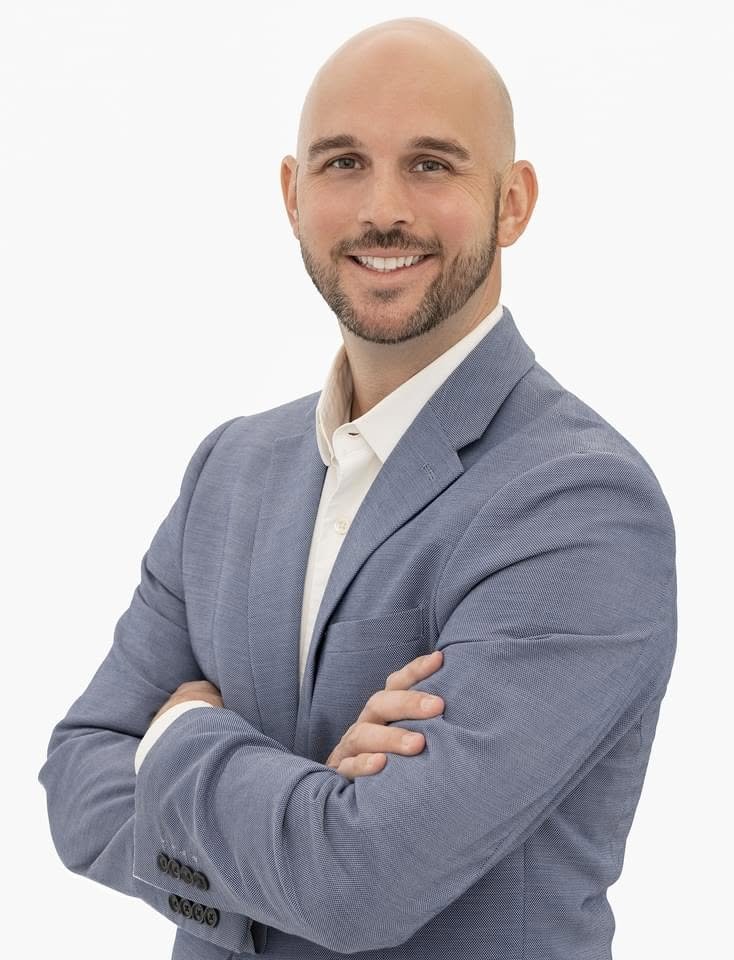
Daniels Health Advisors is the independent brokerage Paul Daniels founded, licensed in 20 U.S. states. We help small nonprofits compare a SHOP group plan, a reimbursement arrangement, and letting staff buy their own coverage. We also help staff members shop for individual plans and check whether they qualify for a tax credit. Some private plans ask health questions, and approval is not guaranteed. Some may not cover care for health problems you had before you enrolled.
Bring a staff list with weekly hours, average pay, and what your budget allows per person each month. Those numbers decide which paths are open to you.
Your first call
Full-time and part-time hours, so you can estimate full-time equivalents.
SHOP eligibility, whether the tax credit may apply, and whether an HRA fits your budget.
Once you choose, we help staff pick plans and check their doctors.
Recommended on Facebook
“I’ve know Paul for years and definitely trust him in the health advisor dept! Working with small business owners he has been a great partner with explain options and provide solutions!”
“Paul was very helpful in my search for business group insurance. He was able to explain my options and answer all the questions I had before signing up. Highly recommend working with him!”
Before you decide
Grant budgets often run on a fixed year, so a predictable cost can matter as much as the lowest price. With SHOP, you decide how much you pay toward premiums. With a QSEHRA, you decide what you contribute, up to a yearly maximum the IRS sets. Staff who buy individual plans with advance tax credits should report income changes, because if their income ends up higher than estimated, they may owe some back. Under current law, starting with 2026 taxes, there is no cap on that payback. After the call you will have:
A checklist for
Nonprofit questions
Not if they are small. Federal employer coverage rules apply to applicable large employers, generally those with 50 or more full-time employees, including full-time equivalents. HealthCare.gov says employers with 1 to 50 FTE employees are not required to offer coverage and face no penalty if they don't.
Yes, if it qualifies. A tax-exempt 501(c) employer can get up to 35% of the premiums it pays, claimed as a refundable credit on Form 990-T. It generally must buy coverage through SHOP and meet the size, wage, and contribution rules.
Often, yes. SHOP generally needs at least one employee who isn't an owner, partner, or family member. Spouses and family members don't count toward eligibility, so check before you apply.
They may, if their household income qualifies and you don't offer them job-based coverage that is affordable and meets the minimum standard. If you do offer an affordable plan that meets that standard, they usually can't get a tax credit.
Through an HRA, yes. A QSEHRA or an individual coverage HRA can repay employees for premiums on plans they choose. An HRA offer can affect whether staff qualify for a tax credit, so read our ICHRA vs QSEHRA guide and check with your tax preparer.
Not for every plan. A private plan (not from the Marketplace) can often be bought any time of year. Some private plans ask health questions, and approval is not guaranteed. Some may not cover care for health problems you had before you enrolled. Marketplace plans, and other plans that follow ACA rules, work differently. As of October 26, 2026, under current law, open enrollment for 2027 plans on HealthCare.gov runs from November 1, 2026, to January 15, 2027. To start coverage January 1, pick a plan by December 15. States that run their own Marketplace may set different dates, so check with your state's Marketplace. A federal appeal about these rules is pending (City of Columbus v. Kennedy, 4th Cir. No. 26-1938), with oral argument set for October 30, 2026, so confirm the dates before you enroll. Outside open enrollment, you need a special enrollment period, such as one after losing job-based coverage.
Book a 15-minute call to compare options for your team, or see quotes online.
Daniels Health Advisors LLC is an independent brokerage, not a carrier, HealthCare.gov, or CMS. Agent: Paul Daniels, NPN 20986580, Florida license G065122. This page is about health coverage options for small nonprofit organizations and their staff. It is not tax or legal advice. Thresholds come from federal rules and can change. Tax credits, plans, networks, and prices depend on your state, zip code, income, and household. We never guarantee approval, a doctor, or a price. Not medical, legal, or tax advice.